Introduction to Proportional Valves
Proportional valves are integral components in fluid control systems, designed to regulate the flow and pressure of fluids in a precise manner. Unlike standard on/off valves, proportional valves respond dynamically to varying input signals, allowing for a more controlled and flexible fluid management process. This capability makes proportional valves essential in applications that require fine-tuned control over fluid dynamics.
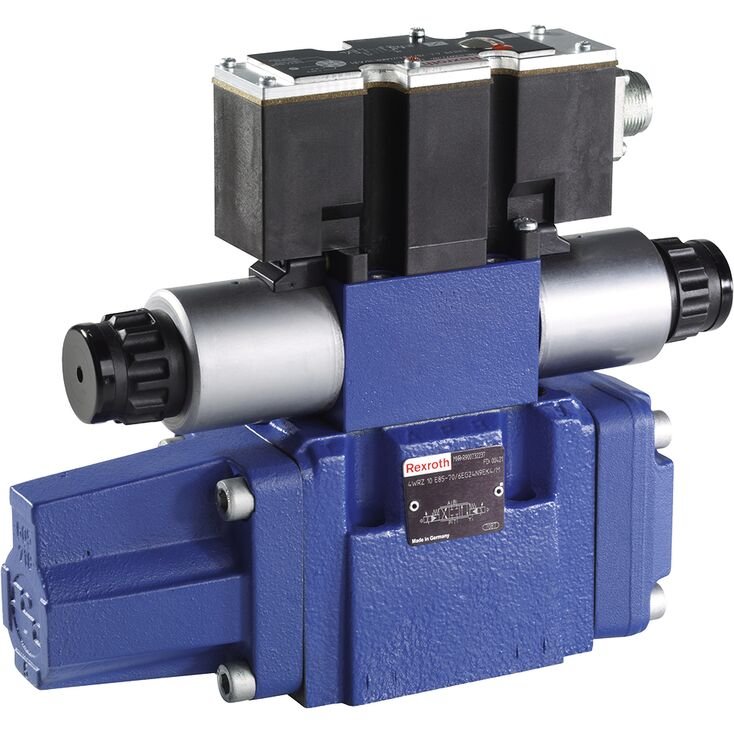
The primary function of a proportional valve is to adjust the flow rate or pressure in proportion to an electrical input signal. This signal can vary, enabling a range of fluid delivery outcomes, which is particularly useful in high-performance hydraulic and pneumatic systems. Proportional valves are characterized by their ability to provide a continuum of flow, as opposed to binary states, effectively enhancing operational efficiency in diverse settings.
The significance of proportional flow control cannot be overstated. In many industrial applications, accurate fluid control translates directly into improved system efficiency and performance. For instance, in the manufacturing sector, utilizing proportional valves can optimize processes such as injection molding or CNC machining, where precise fluid dynamics are crucial for product quality. Additionally, in automotive applications, they play a vital role in advanced systems, such as electronic stability control, where balanced fluid pressure is essential for vehicle safety.
In conclusion, understanding the working principles and applications of proportional valves is vital for anyone involved in fluid control systems. These devices not only enhance efficiency but also provide crucial adaptability that meets the demanding requirements of modern industry.
How Proportional Valves Work
Proportional valves are essential components in fluid control systems, playing a critical role in regulating the flow and pressure of fluids. They operate based on the principles of dynamic fluid mechanics, where electrical input signals are used to adjust the valve’s position and, consequently, the fluid flow rate. When an electrical signal is applied, it causes the valve actuator to change its position in a manner proportional to the signal strength, hence the name “proportional valve.”
One of the key technologies implemented in proportional valves is the use of feedback systems. These systems continuously monitor the output of the valve, comparing it with the desired performance metrics. For example, if the actual flow rate deviates from the target set by the control signal, the feedback mechanism adjusts the valve position accordingly. This real-time adjustment ensures that very precise control over fluid dynamics is maintained, contributing to the overall efficiency of the system.
Sensors embedded within the proportional valve provide critical data that helps in fine-tuning the operation. These sensors can measure various parameters such as pressure, temperature, and flow rate, which the control system uses to make rapid adjustments. The integration of these sensors enhances the reliability and accuracy of fluid control systems, ensuring they operate within defined parameters. Furthermore, advancements in technology have led to the development of smart proportional valves that come with advanced diagnostics and communication capabilities, adding another layer of efficiency to fluid control.
In summary, proportional valves utilize electrical signals and sophisticated feedback mechanisms to regulate fluid flow and pressure with high accuracy. Their construction incorporates advanced sensor technology, allowing for effective monitoring and real-time adjustments, making them indispensable in various industrial applications.
Types of Proportional Valves
Proportional valves serve as essential components within fluid control systems, enabling precise regulation of flow or pressure within hydraulic and pneumatic applications. These valves are mainly categorized into three types: hydraulic, pneumatic, and electric proportional valves, each designed for specific functions and environments.
Hydraulic proportional valves are primarily utilized in systems that require high pressure and substantial flow rates. They operate by adjusting the position of the spool within the valve body, providing variable control that can regulate fluid flow. A notable example of hydraulic proportional valves is the servo valve, commonly used in applications such as robotics and automotive hydraulic systems. The benefits of hydraulic valves include high force generation and reliability in demanding environments, making them ideal for heavy machinery and construction equipment.
Pneumatic proportional valves, on the other hand, are designed for controlling air-driven systems. These valves modulate airflow by adjusting valve opening based on the desired output pressure or flow rate. A typical application can be found in automation systems, where pneumatic actuators require precise control for tasks like component handling and packaging. The primary advantage of pneumatic proportional valves is their speed; they can respond quickly to changes, thus ensuring efficient operation in high-speed processes.
Electric proportional valves utilize electrical input signals to control the valve position, making them suitable for applications where precise and dynamic control is necessary. These valves are widely used in applications such as CNC machines and process control systems, providing high accuracy and adaptability. Their benefits include low power consumption and ease of integration with digital control systems, highlighting their preference in modern automated environments.
In conclusion, understanding the different types of proportional valves—hydraulic, pneumatic, and electric—helps in selecting the most appropriate valve for specific applications, ensuring optimal performance and efficiency in fluid control systems.
Benefits of Using Proportional Valves
Proportional valves play a crucial role in enhancing the performance of fluid control systems across various industries. One of the primary advantages of these valves is their ability to provide increased precision in controlling fluid flow and pressure. Unlike traditional on/off valves, proportional valves can modulate flow rates in a continuous manner, allowing for fine-tuning of system performance. This precision is particularly beneficial in applications that require exacting control, such as in hydraulic systems where precise movements are critical.
Moreover, proportional valves contribute to improved energy efficiency. By allowing systems to adjust fluid flow rates dynamically, these valves minimize energy wastage. For instance, when a system demands less power, a proportional valve can reduce the flow accordingly, resulting in lower energy consumption. This not only reduces operational costs but also positively impacts environmental sustainability by decreasing the carbon footprint associated with energy-intensive systems.
Another significant benefit is the enhanced responsiveness offered by proportional valves. In fluid control applications, rapid adjustments to flow and pressure can be vital for system safety and efficiency. Proportional valves are designed to react swiftly to input signals, providing instant alterations to the hydraulic or pneumatic systems they govern. This responsiveness ensures that critical machinery operates within optimal parameters, helping to avoid system failures and prolonging equipment life.
In summary, the benefits of using proportional valves extend beyond mere mechanical function; they encompass significant advancements in precision, energy efficiency, and responsiveness. These capabilities make proportional valves a valuable asset in any fluid control system, providing both operational excellence and cost-saving advantages that can lead to more sustainable practices within industrial operations.
Applications of Proportional Valves
Proportional valves play a crucial role in various industries, serving as an essential component for maintaining control over fluid systems. Their ability to regulate the flow and pressure of fluids makes them invaluable in applications ranging from manufacturing to automotive engineering and robotics.
In the manufacturing sector, proportional valves are integral to the automation of production processes. They help in managing hydraulic systems that power machinery, ensuring precision in operations such as cutting, molding, and assembly. For instance, in CNC machines, proportional valves enable the adjustment of hydraulic pressures in response to the demands of the cutting tool. This results in improved accuracy and efficiency, minimizing waste and production costs.
The automotive industry also significantly benefits from the use of proportional valves. These components contribute to the fluid control systems within vehicles, including brake systems, suspension systems, and engine management. In modern vehicles, electronic proportional valves adjust the flow of hydraulic fluids, enhancing performance and safety. They allow for real-time adjustments based on driving conditions, improving vehicle stability and responsiveness.
Moreover, the field of robotics heavily relies on proportional valves for controlling actuators and hydraulic systems in robotic arms and mobile robots. The precision offered by these valves is critical for tasks that require exact movements, such as surgical robots or autonomous vehicles. Proportional valves ensure that hydraulic cylinders receive the right amount of fluid, enabling smooth and controlled motion.
In summary, the applications of proportional valves are vast and varied, underlining the importance of fluid control in multiple industries. Their capability to provide precise control over fluid mechanics is a fundamental aspect of modern automated systems, thus making them indispensable in today’s technology-driven world.
Choosing the Right Proportional Valve
When selecting a proportional valve for specific applications, several critical factors must be considered to ensure optimal performance and compatibility with existing systems. One of the foremost considerations is the flow rate. It is essential to determine the maximum and minimum flow rates required for the system to operate efficiently. Choosing a valve that can handle these flow rates will ensure that the system maintains its operational integrity under various conditions.
Another significant parameter is the pressure rating of the proportional valve. It is crucial to select a valve that can withstand the maximum expected pressure in the system. This will not only enhance the valve’s longevity but also prevent potential failures that could lead to costly downtime. Additionally, understanding the size of the valve is vital. The size must align with the piping and fittings in the fluid control system to ensure proper flow and function.
Moreover, mounting options can also play a crucial role in the selection process. The ability to install the valve in the desired orientation and location can significantly influence the ease of maintenance and operation. Therefore, it is advisable to assess the available space in the system carefully before making a selection.
Lastly, ensuring compatibility with other components in the fluid control system is paramount. This includes considering the type of fluid being used, the materials of the valve, and the overall system design. Consulting with manufacturers or industry experts can provide valuable insights into finding the best proportional valve for specific requirements. By taking these considerations into account, one can make well-informed selections that enhance system efficiency and reliability.
Maintenance and Troubleshooting
Proper maintenance is crucial for the longevity and reliability of proportional valves, which play a vital role in fluid control systems. These valves are sensitive components that require regular attention to ensure optimal performance. Regular maintenance routines include inspections for signs of wear, checking for leaks, and ensuring that the electrical connections and control signals are functioning correctly. Cleanliness is another key factor in maintenance; dirt and debris can obstruct valve operation, leading to performance degradation.
Common issues that can arise with proportional valves include erratic behavior, failure to respond to control signals, and physical wear resulting from prolonged use. To identify these issues effectively, operators should establish a systematic troubleshooting process. This involves reviewing the control signals, examining fluid quality, and assessing the condition of the valve itself. In many cases, mere adjustments to the control parameters can rectify minor issues.
When troubleshooting, it is also important to assess the surrounding system conditions. Factors such as pressure inconsistencies, temperature fluctuations, and improper fluid types can greatly impact valve performance. Maintaining the correct operating environment is essential to avoid unnecessary wear and damage. Additionally, consult the manufacturer’s guidelines for specific maintenance intervals and procedures, as these recommendations can vary based on valve types and application.
To enhance the life cycle of these components, a proactive approach to maintenance is essential, rather than a reactive one. Implementing a scheduled maintenance program that encompasses inspection, cleaning, and corrective actions can prevent many common problems before they escalate. Ultimately, investing in regular upkeep and understanding troubleshooting techniques will ensure that proportional valves perform at their best and continue to support efficient fluid control operations.
Future Trends in Proportional Valve Technology
The evolution of proportional valve technology is poised to transform various industries reliant on fluid control systems. As advancements in electronics and automation continue, several key trends are emerging that will enhance the functionality and efficiency of proportional valves.
One significant trend is the integration of smart technology. Proportional valves are expected to incorporate sensors and IoT connectivity, allowing for real-time monitoring and feedback. This development will facilitate predictive maintenance, reducing downtime and operational costs for industries such as manufacturing and agriculture. By enabling data collection and analysis, these smart systems will allow users to optimize operational parameters, ensuring more precise control over fluid dynamics.
Another notable innovation is the miniaturization of proportional valves. As industries demand more compact solutions, manufacturers are working on creating smaller yet equally powerful proportional valves. This trend will be particularly beneficial in applications where space is limited, such as in mobile machinery and robotics. These compact designs will not compromise on performance but instead will offer enhanced versatility in various applications.
Moreover, advancements in materials science are leading to the development of more durable and corrosion-resistant valve materials. This will enhance the longevity and reliability of proportional valves, particularly in harsh environments encountered in sectors like oil and gas or chemical processing. Improved materials will not only withstand stressors better but also contribute to the overall efficiency of fluid control systems.
Lastly, the push for sustainability is influencing the design of proportional valves. Manufacturers are increasingly focusing on creating energy-efficient valves that minimize energy consumption and reduce environmental impact. This trend aligns with broader sustainability goals across industries, making proportional valves integral to eco-friendly fluid control innovations.
Conclusion
In summation, the exploration of proportional valves emphasizes their essential role within fluid control systems. These valves serve as critical components that allow for precise control of fluid flow, pressure, and system dynamics, directly affecting performance and efficiency. Through the discussion of their operation principles, types, and various applications, it becomes evident that a well-chosen proportional valve can significantly enhance system responsiveness and reliability.
Moreover, understanding the intricate design and functionality of these valves is crucial for engineers and technicians involved in fluid system design and maintenance. Whether in industrial settings, mobile equipment, or hydraulic systems, the presence of proportional valves influences not only the functionality but also the overall effectiveness of the machines and processes they control.
As the demand for advanced fluid control systems continues to grow, so does the need for informed decision-making when selecting the appropriate proportional valve. Readers are encouraged to consider not only the technical specifications but also the long-term operational advantages of investing in high-quality valves tailored to their specific applications. Making an educated choice can lead to improvements in efficiency, durability, and system performance, thereby underscoring the importance of proportional valves in modern engineering practices.