Best Hydraulic Pump Supplier for Your Business 2026
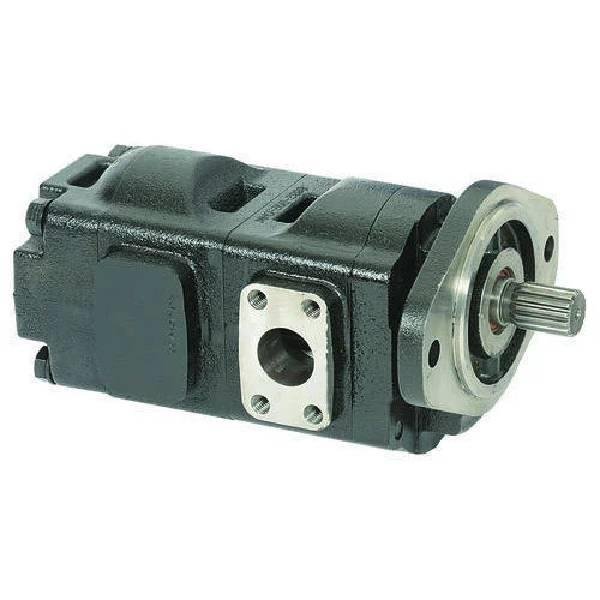
Introduction to Hydraulic Pumps Hydraulic pumps are essential devices used in various industrial applications to convert mechanical energy into hydraulic energy, facilitating the movement of fluids through hydraulic systems. They play a critical role in a wide array of operations, from driving machinery and equipment to enabling complex processes across diverse sectors such as construction, manufacturing, and automotive industries. Understanding the function and types of hydraulic pumps is vital for selecting the right supplier and ensuring optimal performance in your business’s hydraulic systems. The primary function of a hydraulic pump is to generate flow with sufficient pressure to move hydraulic fluid through the system. This process powers hydraulic cylinders, motors, and various components, enabling them to perform tasks such as lifting, pushing, and rotating. The effectiveness of a hydraulic system largely depends on the efficiency of its hydraulic pump, making the selection of a reliable supplier imperative. Hydraulic pumps can be categorized into several types, including gear pumps, diaphragm pumps, and piston pumps. Gear pumps, known for their simplicity and reliability, use meshing gears to create suction and pressure. Diaphragm pumps operate with flexible membranes to draw fluid, making them ideal for applications requiring a sealed environment. Piston pumps, on the other hand, utilize pistons to create flow and are renowned for their high efficiency and ability to handle a variety of fluids. In summary, hydraulic pumps are a cornerstone of hydraulic systems across numerous industries. Their ability to convert mechanical energy into hydraulic power underlines their importance in facilitating complex machinery functions. Selecting the right type of hydraulic pump, along with a trustworthy supplier, is crucial for ensuring that these systems operate efficiently and effectively. The Role of a Hydraulic Pump Supplier Hydraulic pump suppliers serve a pivotal role within the supply chain, providing essential components that drive various industrial processes. They are responsible for the sourcing, distribution, and technical support of hydraulic pumps, ensuring that businesses have access to high-quality and reliable products. A supplier’s efficiency and reliability can greatly influence a company’s operational effectiveness, making the selection of the right partner a critical decision. One of the main responsibilities of hydraulic pump suppliers is sourcing products from reputable manufacturers, thereby ensuring that the quality of hydraulic pumps meets industry standards. This is crucial because the performance of hydraulic systems largely depends on the performance of the hydraulic pumps themselves. Suppliers must thoroughly evaluate manufacturers to establish strong partnerships, which enables them to offer a diverse range of hydraulic pumps tailored to the specific needs of different industries, such as construction, manufacturing, and agriculture. In addition to sourcing, hydraulic pump suppliers also play an integral role in the distribution process. They must efficiently manage inventory and logistics to ensure timely deliveries. This capability is vital, as delays in receiving hydraulic components can hinder production schedules and impact overall business operations. A competent supplier will maintain a well-organized supply chain that can respond to fluctuations in demand while minimizing lead times. Furthermore, technical support is a crucial service offered by hydraulic pump suppliers. They provide expertise in system design, installation, and maintenance to ensure that customers can operate their equipment safely and effectively. This support can be invaluable, particularly when businesses face complex challenges that require specialized knowledge. Ultimately, the role of a hydraulic pump supplier encompasses much more than mere product provision; they are key partners in the success and efficiency of hydraulic systems and, by extension, the businesses that rely on them. Key Factors to Consider When Choosing a Supplier When selecting a hydraulic pump supplier, several essential criteria must be evaluated to ensure that the partnership will support your business needs effectively. One of the primary factors to consider is the reliability of the supplier. A dependable supplier can significantly influence the overall efficiency of your operations, as their ability to deliver products on time can minimize downtime and enhance productivity. The range of products offered by the supplier is another significant consideration. It is essential to choose a supplier that provides a diverse selection of hydraulic pumps to meet the varying demands of different projects. A supplier that offers both standard and specialized pumps can provide flexibility and cater to specific industrial applications. Technical expertise is also a critical element when assessing potential suppliers. A knowledgeable supplier can offer valuable insights and solutions that enhance the performance of hydraulic systems. Their ability to provide expert advice on installation, maintenance, and troubleshooting can make a substantial difference in the reliability of your operations. Additionally, responsiveness is a key characteristic of a quality supplier. Quick response times to inquiries, orders, and support requests reflect a commitment to customer service and can streamline communication between your business and the supplier. This responsiveness is vital in dynamic business environments where prompt action is often required. Furthermore, evaluating the customer service provided by the supplier can reveal their dedication to building a long-term partnership. A supplier that focuses on maintaining a supportive relationship creates a foundation for collaboration and growth. Lastly, while pricing is a crucial factor, it should be weighed alongside the overall value the supplier brings to your business. Balancing cost and quality is vital to ensuring that you choose the best hydraulic pump supplier for your specific needs. Assessing Quality Standards and Certifications When selecting a hydraulic pump supplier, the assessment of quality standards and certifications is paramount. Compliance with recognized standards not only ensures product reliability but also signifies adherence to rigorous manufacturing processes. Two of the most pertinent certifications in the hydraulic industry are the ISO (International Organization for Standardization) and CE (Conformité Européenne). These standards serve as benchmarks for quality management systems and product safety, respectively. The ISO certification indicates that a company maintains a high level of quality in its production processes. Suppliers with ISO 9001 certification have demonstrated their ability to consistently provide products that meet customer and regulatory requirements. This leads to increased customer satisfaction, as quality management is woven into the fabric of their operations, resulting in effective and

