Introduction to Hydraulic Pumps
Hydraulic pumps are essential devices used in various industrial applications to convert mechanical energy into hydraulic energy, facilitating the movement of fluids through hydraulic systems. They play a critical role in a wide array of operations, from driving machinery and equipment to enabling complex processes across diverse sectors such as construction, manufacturing, and automotive industries. Understanding the function and types of hydraulic pumps is vital for selecting the right supplier and ensuring optimal performance in your business’s hydraulic systems.
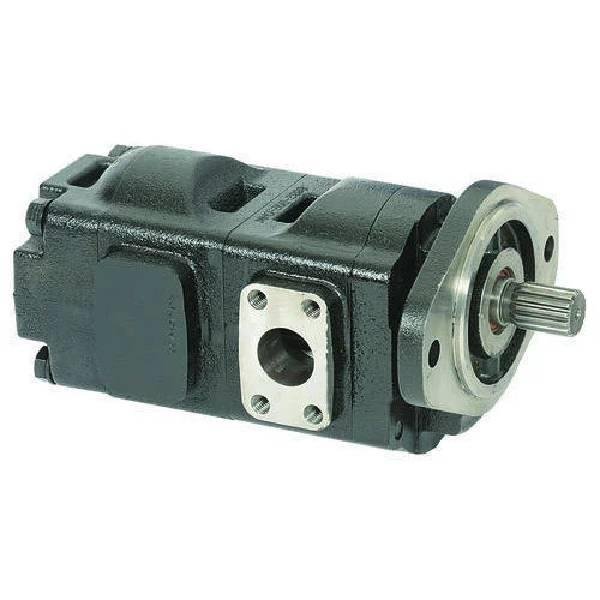
The primary function of a hydraulic pump is to generate flow with sufficient pressure to move hydraulic fluid through the system. This process powers hydraulic cylinders, motors, and various components, enabling them to perform tasks such as lifting, pushing, and rotating. The effectiveness of a hydraulic system largely depends on the efficiency of its hydraulic pump, making the selection of a reliable supplier imperative.
Hydraulic pumps can be categorized into several types, including gear pumps, diaphragm pumps, and piston pumps. Gear pumps, known for their simplicity and reliability, use meshing gears to create suction and pressure. Diaphragm pumps operate with flexible membranes to draw fluid, making them ideal for applications requiring a sealed environment. Piston pumps, on the other hand, utilize pistons to create flow and are renowned for their high efficiency and ability to handle a variety of fluids.
In summary, hydraulic pumps are a cornerstone of hydraulic systems across numerous industries. Their ability to convert mechanical energy into hydraulic power underlines their importance in facilitating complex machinery functions. Selecting the right type of hydraulic pump, along with a trustworthy supplier, is crucial for ensuring that these systems operate efficiently and effectively.
The Role of a Hydraulic Pump Supplier
Hydraulic pump suppliers serve a pivotal role within the supply chain, providing essential components that drive various industrial processes. They are responsible for the sourcing, distribution, and technical support of hydraulic pumps, ensuring that businesses have access to high-quality and reliable products. A supplier’s efficiency and reliability can greatly influence a company’s operational effectiveness, making the selection of the right partner a critical decision.
One of the main responsibilities of hydraulic pump suppliers is sourcing products from reputable manufacturers, thereby ensuring that the quality of hydraulic pumps meets industry standards. This is crucial because the performance of hydraulic systems largely depends on the performance of the hydraulic pumps themselves. Suppliers must thoroughly evaluate manufacturers to establish strong partnerships, which enables them to offer a diverse range of hydraulic pumps tailored to the specific needs of different industries, such as construction, manufacturing, and agriculture.
In addition to sourcing, hydraulic pump suppliers also play an integral role in the distribution process. They must efficiently manage inventory and logistics to ensure timely deliveries. This capability is vital, as delays in receiving hydraulic components can hinder production schedules and impact overall business operations. A competent supplier will maintain a well-organized supply chain that can respond to fluctuations in demand while minimizing lead times.
Furthermore, technical support is a crucial service offered by hydraulic pump suppliers. They provide expertise in system design, installation, and maintenance to ensure that customers can operate their equipment safely and effectively. This support can be invaluable, particularly when businesses face complex challenges that require specialized knowledge. Ultimately, the role of a hydraulic pump supplier encompasses much more than mere product provision; they are key partners in the success and efficiency of hydraulic systems and, by extension, the businesses that rely on them.
Key Factors to Consider When Choosing a Supplier
When selecting a hydraulic pump supplier, several essential criteria must be evaluated to ensure that the partnership will support your business needs effectively. One of the primary factors to consider is the reliability of the supplier. A dependable supplier can significantly influence the overall efficiency of your operations, as their ability to deliver products on time can minimize downtime and enhance productivity.
The range of products offered by the supplier is another significant consideration. It is essential to choose a supplier that provides a diverse selection of hydraulic pumps to meet the varying demands of different projects. A supplier that offers both standard and specialized pumps can provide flexibility and cater to specific industrial applications.
Technical expertise is also a critical element when assessing potential suppliers. A knowledgeable supplier can offer valuable insights and solutions that enhance the performance of hydraulic systems. Their ability to provide expert advice on installation, maintenance, and troubleshooting can make a substantial difference in the reliability of your operations.
Additionally, responsiveness is a key characteristic of a quality supplier. Quick response times to inquiries, orders, and support requests reflect a commitment to customer service and can streamline communication between your business and the supplier. This responsiveness is vital in dynamic business environments where prompt action is often required.
Furthermore, evaluating the customer service provided by the supplier can reveal their dedication to building a long-term partnership. A supplier that focuses on maintaining a supportive relationship creates a foundation for collaboration and growth. Lastly, while pricing is a crucial factor, it should be weighed alongside the overall value the supplier brings to your business. Balancing cost and quality is vital to ensuring that you choose the best hydraulic pump supplier for your specific needs.
Assessing Quality Standards and Certifications
When selecting a hydraulic pump supplier, the assessment of quality standards and certifications is paramount. Compliance with recognized standards not only ensures product reliability but also signifies adherence to rigorous manufacturing processes. Two of the most pertinent certifications in the hydraulic industry are the ISO (International Organization for Standardization) and CE (Conformité Européenne). These standards serve as benchmarks for quality management systems and product safety, respectively.
The ISO certification indicates that a company maintains a high level of quality in its production processes. Suppliers with ISO 9001 certification have demonstrated their ability to consistently provide products that meet customer and regulatory requirements. This leads to increased customer satisfaction, as quality management is woven into the fabric of their operations, resulting in effective and efficient processes.
On the other hand, CE marking is crucial for ensuring that hydraulic pumps meet European health, safety, and environmental protection legislation. A hydraulic pump supplier that possesses the CE mark has attested that their products comply with all applicable EU directives. This certification not only promotes safety but also facilitates easier access to markets within the European Union.
In verifying a supplier’s compliance with these standards, potential buyers can request copies of certifications, which should be clearly displayed and regularly updated. Moreover, the legitimacy of these certifications can be cross-verified through official registries or by engaging with certification bodies. Ultimately, selecting a hydraulic pump supplier that adheres to these quality standards fosters trust and ensures the reliability of products used in critical applications. Investing time in this assessment can mitigate risks associated with product failures and enhance operational efficiency.
Evaluating Customer Support and After-Sales Services
In the hydraulic pump industry, selecting an appropriate supplier goes beyond just examining product quality and pricing. Customer support and after-sales services are critical components that can significantly influence customer satisfaction and loyalty. A supplier that offers robust customer support ensures that businesses can operate efficiently and minimize downtime, thus protecting their bottom line.
Firstly, technical support plays a crucial role in guiding customers through the complexities of hydraulic pump operation and maintenance. Suppliers should provide comprehensive technical resources including manuals, troubleshooting guides, and access to skilled support staff. This accessible information helps customers address issues quickly and effectively, thereby enhancing their overall experience with the product.
Warranties are another vital aspect of the service package offered by hydraulic pump suppliers. A solid warranty not only signifies the supplier’s confidence in their products but also provides customers with peace of mind. Understanding the terms of the warranty—what is covered, the duration, and the steps involved for claims—is essential. A longer warranty or one that encompasses a broader range of potential issues can indicate a supplier committed to customer satisfaction.
Furthermore, repair services are integral to maintaining the operational efficiency of hydraulic pumps. Suppliers who offer prompt and reliable repair services can minimize the disruption caused by equipment failures. The availability of spare parts and trained technicians directly affects the turnaround time for repairs, making it critical for suppliers to have a well-established support network. In this context, proactive communication regarding service timelines and cost estimates can further bolster customer confidence and satisfaction.
In conclusion, evaluating customer support and after-sales services is fundamental when choosing a hydraulic pump supplier. Companies that prioritize these aspects are more likely to establish lasting partnerships, ensuring optimal performance of their hydraulic systems.
Understanding Pricing and Financial Considerations
When selecting a hydraulic pump supplier, understanding the pricing structures and financial implications is critical for making an informed decision. Hydraulic pumps vary significantly in price depending on their specifications, brand reputation, and supplier policies. One of the first financial considerations to evaluate is whether the supplier offers bulk purchase discounts. These discounts can significantly reduce the overall cost per unit, making a substantial difference for businesses that require multiple pumps for their operations.
Additionally, the terms of payment are essential to negotiate. Suppliers may offer different payment plans, such as upfront payment, installment plans, or credit options. Understanding these payment terms can aid in managing cash flow more effectively, which is particularly important for businesses with tight budgets. Companies should also inquire about warranties and support services included in the price, as these factors can influence long-term maintenance costs and operational efficiency.
Another key point to consider is the long-term value of investing in higher-quality hydraulic pumps from a reputable supplier. While the initial expense may be higher, durable pumps tend to require less frequent replacement and lower maintenance costs over time, leading to greater savings in the long run. It is advisable to look for suppliers that provide detailed product specifications, historical performance data, and customer testimonials to justify the investment.
In summary, a comprehensive understanding of pricing and financial considerations is essential for selecting the right hydraulic pump supplier. Businesses must evaluate bulk purchase discounts, payment terms, and the long-term value of higher-quality pumps to ensure they are making the best financial decision for their operations.
Supplier Reputation and Customer Reviews
When selecting a hydraulic pump supplier for your business, the reputation of the supplier plays a critical role in ensuring quality and reliability. A reputable supplier is often synonymous with high-quality service, dependable products, and a history of customer satisfaction. The first step in evaluating a supplier’s reputation is to conduct thorough research into their background. This can be achieved through various methods, such as examining the length of time the supplier has been in business, their market presence, and any certifications they might hold.
Additionally, it’s essential to check for references provided by the supplier. These references can offer insight into the experiences of other businesses that have sourced hydraulic pumps from the supplier in question. Speaking directly with previous clients can reveal valuable information regarding the supplier’s responsiveness, product quality, and after-sales support. Moreover, personal interactions and satisfaction levels can be deduced from these conversations.
Customer reviews found on the internet also serve as an indispensable resource in assessing supplier reputation. Online platforms, industry forums, and social media can reveal genuine feedback about the performance of hydraulic pumps and the general conduct of the supplier. Engaging with these reviews can assist prospective buyers in identifying any recurring issues or particularly high praise in certain areas. It’s important to look for patterns in both positive and negative reviews, as they often reflect the overall reliability of a supplier.
By utilizing these approaches, businesses can make informed decisions when choosing a hydraulic pump supplier. The analysis of a supplier’s reputation, combined with extensive customer reviews, ultimately leads to more confident and sound investment choices that meet operational needs effectively.
The Importance of Local vs. International Suppliers
When choosing a hydraulic pump supplier, businesses often weigh the advantages and disadvantages of local versus international options. Each has its own set of benefits that can significantly impact operations, pricing, and overall efficacy in fulfilling hydraulic needs.
One of the foremost advantages of local suppliers is reduced shipping costs. When hydraulic pumps are sourced within the country, businesses can save considerably on transportation expenses, leading to lower overall project costs. Additionally, local suppliers can offer shorter lead times. Proximity allows for faster processing and delivery, which can be critical in industries where downtime is costly. Moreover, local suppliers are often more attuned to regional regulations and industry standards, which can simplify compliance procedures.
However, local suppliers may have limited options in terms of product variety and technological advancements. In contrast, international suppliers may provide access to a broader range of hydraulic pumps and newer innovations. This can be particularly advantageous for businesses seeking specialized solutions or advanced technology that may not be readily available locally. Nevertheless, engaging with international suppliers is not without its challenges. Increased shipping costs and longer lead times can present potential delays, which could affect project timelines adversely.
Moreover, communication barriers with international suppliers may arise due to differences in time zones, languages, and cultural practices. Effective communication is critical when dealing with hydraulic systems, as misunderstandings can lead to project setbacks. Conversely, local suppliers typically offer easier access to customer service and support, ensuring that queries and issues are addressed more promptly and effectively.
Ultimately, the choice between local and international hydraulic pump suppliers will depend on a variety of factors, including specific project requirements, budget considerations, and the importance of timely support. Each option carries its unique advantages and challenges that deserve careful consideration.
Conclusion and Final Recommendations
In selecting a hydraulic pump supplier, businesses must prioritize several key aspects outlined in this guide. Understanding the specific hydraulic systems required for your operations is crucial, as this allows for a more tailored evaluation of potential suppliers. Considerations such as the supplier’s product range, experience in the industry, and technical support capabilities can significantly influence the success of your hydraulic systems.
It is advisable to conduct thorough research into each supplier’s technological advancements and their reputation within the industry. Look for suppliers who not only offer high-quality hydraulic pumps but also provide comprehensive service and support post-purchase. This includes warranty agreements, maintenance services, and prompt customer service to address any operational concerns you may encounter.
Networking with professionals in similar industries can provide valuable insights and recommendations on reliable hydraulic pump suppliers. Furthermore, reviewing online feedback and testimonials can shed light on the experiences of other customers and help gauge the reliability and efficiency of potential suppliers.
Ultimately, choosing the right hydraulic pump supplier is an investment that benefits your business in the long run. Prior to finalizing your decision, it’s essential to compare multiple suppliers, analyzing their offerings and aligning them with your specific operational needs. By taking the time to carefully assess your options, you can secure a supplier that ensures not only the reliability of your hydraulic systems but also contributes to the overall efficiency of your business operations.

