Danfoss Hydraulic Pumps: Performance, Applications, and Benefits Hydraulic Pumps 2026
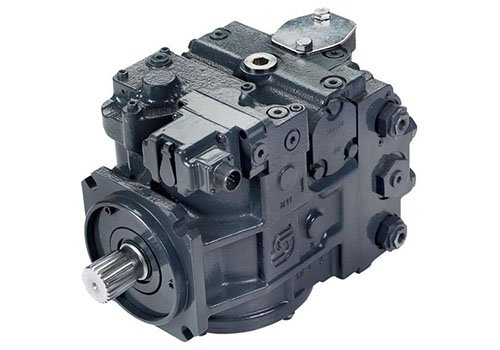
Introduction to Danfoss Hydraulic Pumps Hydraulic pumps are critical components within various industrial applications, converting mechanical energy into hydraulic energy. Among the myriad of brands that manufacture hydraulic pumps, Danfoss has carved a notable niche for itself, known for its innovative designs and quality. Founded in 1933, Danfoss has steadily grown, establishing a reputation for reliability and engineering excellence within the hydraulic system market. Danfoss’s commitment to research and development has allowed them to offer a diverse range of hydraulic pumps, catering to a multitude of sectors including construction, agriculture, and manufacturing. These pumps are designed to deliver high performance and efficiency, aligning with the evolving demands of modern machinery and systems. The product lineup includes gear pumps, piston pumps, and vane pumps, each engineered to fulfill specific functional requirements. For instance, the gear pumps are known for their durability and simplicity, making them suitable for a wide variety of applications. Conversely, the piston pumps offer exceptional efficiency and are specifically designed for high-pressure operations, appealing to industries where power and precision are paramount. Additionally, Danfoss has ventured into advanced technologies, incorporating features such as electronic controls and variable displacement in some models. These innovations not only optimize performance but also enhance energy savings and reduce operational noise. Furthermore, the company’s dedication to sustainable practices is reflected in the superior efficiency of their hydraulic pumps, which contributes to reduced energy consumption and lower emissions. As this guide progresses, we will delve deeper into specific Danfoss hydraulic pump models and technologies, exploring their performance, suitability for various applications, and the benefits they provide. Understanding these aspects is essential for making informed decisions regarding hydraulic systems in industrial settings. Understanding Hydraulic Pumps: Basics and Functionality Hydraulic pumps play a crucial role in hydraulic systems by converting mechanical energy into hydraulic energy, which is essential for a wide range of industrial applications. They operate on the principle of fluid mechanics, utilizing the movement of hydraulic fluid to transmit power. In essence, a hydraulic pump moves fluid from a reservoir and generates flow to perform work in machines and equipment. There are various types of hydraulic pumps, including gear pumps, vane pumps, and piston pumps, each differing in design and functionality. Gear pumps are common due to their simplicity and reliability, while vane pumps are known for their ability to handle variable flows efficiently. Piston pumps, on the other hand, are recognized for their high-pressure capabilities and versatility in demanding applications. Danfoss hydraulic pumps, renowned for their innovative technology and efficient design, exemplify the performance standards expected in modern hydraulic systems. These pumps utilize advanced engineering principles that ensure optimal energy conversion and fluid dynamics. The operation of a Danfoss hydraulic pump involves a precise arrangement of moving parts that create a pressure differential, allowing hydraulic fluid to flow through the system effectively. This dynamic process ensures that the pump can handle varying loads by adjusting the flow rate and pressure according to system demands. In addition to their performance capabilities, Danfoss pumps are designed to optimize energy consumption, making them an eco-friendly choice. The efficiency of these hydraulic pumps significantly reduces energy losses, ensuring that maximum power is transmitted to the hydraulic motors or actuators. This not only improves overall system efficiency but also helps to lower operational costs. Key Features of Danfoss Hydraulic Pumps Danfoss hydraulic pumps are renowned for their exceptional performance in a wide range of applications. One of the key features that distinguish these pumps is their high efficiency. Designed using the latest technology, Danfoss pumps offer optimal energy consumption, which leads to reduced operational costs in hydraulic systems. This efficiency not only enhances performance but also contributes significantly to energy savings, making them an environmentally friendly choice for users. Durability is another hallmark of Danfoss hydraulic pumps. Built with robust materials and advanced engineering techniques, these pumps are capable of withstanding harsh operating conditions. Their resilience ensures long service life, thereby minimizing downtime and maintenance costs for users. This durability is particularly crucial in industrial applications where reliability is paramount. Compact design is a further advantage of Danfoss hydraulic pumps. These pumps are engineered to be space-efficient, allowing for easy installation even in constrained environments. This compactness benefits not only the design of machinery but also its overall performance, as it facilitates effective integration into various hydraulic systems. Moreover, the advanced technology integrated into Danfoss hydraulic pumps enhances their functionality. Features such as electronic control systems enable precise and adaptable operations, allowing users to optimize performance according to their specific requirements. This adaptability can significantly improve overall system efficiency. Customizable features also set Danfoss hydraulic pumps apart from competitors. Users can select from various configurations and specifications, tailoring pumps to meet unique operational demands. This customization capability ensures that the pumps are the ideal fit for diverse applications, further solidifying their role in contemporary hydraulic systems. Types of Danfoss Hydraulic Pumps Danfoss offers a diverse range of hydraulic pumps designed to meet the varying needs of different applications in the engineering and industrial sectors. Among these, three key types stand out: gear pumps, piston pumps, and vane pumps. Each type has its unique characteristics and suitability for particular use cases. Gear pumps are known for their simple construction and durability, making them ideal for applications that require a consistent flow of hydraulic fluid. These pumps work by using two or more meshing gears to move fluid, providing a steady and reliable output. Danfoss gear pumps are particularly valuable in mobile machinery and industrial equipment that demand high efficiency in a compact design. Piston pumps, on the other hand, offer variable displacement and are favored in situations requiring high pressure and efficiency. They utilize reciprocal motion of pistons to manage the fluid flow, which allows for precise control of the hydraulic system. Danfoss piston pumps are often employed in heavy-duty applications such as construction machinery and hydraulically operated systems, where performance under load is critical. The third category, vane pumps, are known for their ability to provide smooth