Hydraulic Pump Suppliers in Delhi
Industrial Equipment

Hydraulic Pump Suppliers in Delhi 2026

Introduction to Hydraulic Pumps Hydraulic pumps are vital components in various industrial systems, facilitating the transfer and conversion of energy through the circulation of hydraulic fluid. These pumps operate based on the principle of Pascal’s Law, which states that pressure applied to a confined fluid is transmitted undiminished in all directions. This fundamental principle allows hydraulic pumps to generate significant power and torque, making them indispensable in applications requiring heavy lifting and precise movement. In essence, a hydraulic pump functions by converting mechanical energy—often sourced from an engine or an electric motor—into hydraulic energy. This conversion results in the movement of hydraulic fluid, which can then be directed to actuators and machinery to perform work. The importance of hydraulic pumps spans across a multitude of sectors, including manufacturing, construction, agriculture, and transportation. Their versatility and efficiency make them a favored choice for powering machinery and handling materials. There are several types of hydraulic pumps, each designed for specific applications. The most common types include gear pumps, rotary-vane pumps, and piston pumps. Gear pumps are widely recognized for their simplicity and reliability; they utilize meshing gears to create fluid flow, ideal for low-pressure applications. Rotary-vane pumps, on the other hand, employ sliding vanes mounted on a rotor to generate pressure, providing a smooth flow across a range of conditions. Lastly, piston pumps can handle high-pressure situations exceptionally well and are often favored for applications requiring significant force. Understanding the different types of hydraulic pumps and their operational characteristics is crucial for selecting the appropriate pump for specific industrial needs. By recognizing the significance and functionality of hydraulic pumps, businesses can enhance operational efficiency and ensure effective system design. Importance of Choosing the Right Supplier in Delhi Selecting a suitable hydraulic pump supplier in Delhi is crucial for businesses that rely on hydraulic systems for their operations. The performance, reliability, and efficiency of hydraulic machinery are directly influenced by the quality of pumps and components used, making the choice of supplier a significant factor in overall productivity. A reputable supplier ensures that the hydraulic pumps provided are built to high standards, thereby minimizing the risk of failures and operational downtime. Quality assurance should be one of the central considerations when selecting a supplier. Top suppliers in Delhi often adhere to stringent quality management protocols and offer products that meet or exceed industry benchmarks. This not only ensures the durability and effectiveness of hydraulic pumps but also contributes to the long-term sustainability of machinery. In contrast, sourcing from less reliable suppliers may lead to unanticipated malfunctions and increased maintenance costs, which can hinder business growth. Moreover, the technical support provided by the supplier plays a pivotal role in maintaining hydraulic systems. An ideal hydraulic pump supplier in Delhi will offer comprehensive technical assistance, including installation guidance, troubleshooting, and maintenance services. This support is essential, particularly for businesses that may not have in-house expertise in hydraulic systems. Access to knowledgeable support helps streamline operations and extends the lifespan of hydraulic components. Finally, product availability is another critical factor. A reliable hydraulic pump supplier should have a diverse inventory that caters to various industrial needs. Having immediate access to essential components can significantly reduce downtime and ensure that operations continue smoothly. In essence, the choice of a hydraulic pump supplier impacts not just the quality of the machinery, but also the efficiency and profitability of business operations in the competitive landscape of Delhi. Top Features to Look for in Hydraulic Pump Suppliers When seeking a reliable hydraulic pump supplier in Delhi, it is imperative to consider several key features that can significantly impact your purchasing experience and long-term satisfaction. A broad product range is essential; your supplier should offer various hydraulic pumps to meet the specific demands of your applications. This includes variations in size, pressure ratings, and materials to ensure quality and reliability. Another crucial aspect is customer service. A responsive and knowledgeable support team can provide valuable insights, helping you make informed decisions and resolve any issues promptly. Look for suppliers who prioritize customer engagement and provide comprehensive assistance, from pre-purchase advice to after-sales support. Pricing is also an important element to evaluate during your selection process. While it is appealing to find competitive prices, it is critical to ensure that cost does not compromise quality. Carefully assess the value a supplier offers through their products, taking into account factors like durability, efficiency, and technology used in their hydraulic pumps. Warranty offerings are a reliable indicator of a supplier’s confidence in their products. A robust warranty reflects the supplier’s commitment to quality and customer satisfaction, offering peace of mind in your investment. Always inquire about warranty terms and conditions to understand what is covered and for how long. Lastly, delivery times can greatly influence your operations, particularly in industries where downtime impacts productivity. Evaluate the supplier’s logistics capabilities, including their ability to meet urgent requests and provide timely deliveries. By considering these features—product range, customer service, pricing, warranty offerings, and delivery times—you can make a more informed choice when selecting a hydraulic pump supplier in Delhi. Overview of Reputable Hydraulic Pump Suppliers in Delhi Delhi’s industrial landscape boasts a number of reputable hydraulic pump suppliers, each distinguished by its history, product offering, and specific market advantages. Among the foremost suppliers is XYZ Hydraulics, established in 1990. This supplier has carved a niche by providing a diverse range of hydraulic pumps, including gear, piston, and vane types. Their commitment to quality and innovation has garnered them a strong customer base across various industries, from manufacturing to construction. Another prominent name is ABC Pumps, which has been operational since 1985 and is known for its extensive experience in the hydraulic systems domain. ABC Pumps supplies high-performance hydraulic units designed for heavy-duty applications, setting them apart with their rigorous testing and high durability standards. Their technical expertise allows them to offer tailored solutions to meet specific client requirements, thus establishing a competitive edge in the market. PQR Hydraulics is also noteworthy, recognized for its emphasis

Danfoss Hydraulic Pumps
Hydraulic Technology

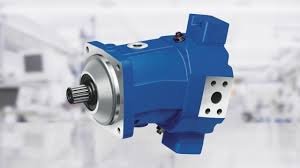
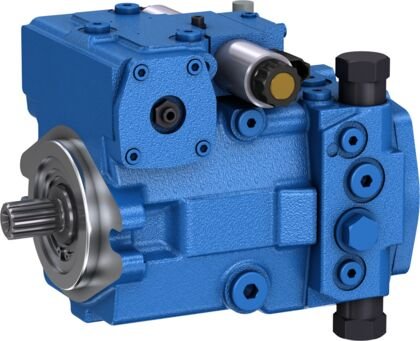
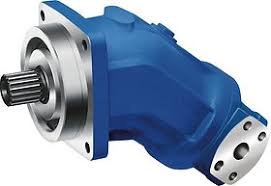
Danfoss Hydraulic Pumps: Performance, Applications, and Benefits Hydraulic Pumps 2026

Introduction to Danfoss Hydraulic Pumps Hydraulic pumps are critical components within various industrial applications, converting mechanical energy into hydraulic energy. Among the myriad of brands that manufacture hydraulic pumps, Danfoss has carved a notable niche for itself, known for its innovative designs and quality. Founded in 1933, Danfoss has steadily grown, establishing a reputation for reliability and engineering excellence within the hydraulic system market. Danfoss’s commitment to research and development has allowed them to offer a diverse range of hydraulic pumps, catering to a multitude of sectors including construction, agriculture, and manufacturing. These pumps are designed to deliver high performance and efficiency, aligning with the evolving demands of modern machinery and systems. The product lineup includes gear pumps, piston pumps, and vane pumps, each engineered to fulfill specific functional requirements. For instance, the gear pumps are known for their durability and simplicity, making them suitable for a wide variety of applications. Conversely, the piston pumps offer exceptional efficiency and are specifically designed for high-pressure operations, appealing to industries where power and precision are paramount. Additionally, Danfoss has ventured into advanced technologies, incorporating features such as electronic controls and variable displacement in some models. These innovations not only optimize performance but also enhance energy savings and reduce operational noise. Furthermore, the company’s dedication to sustainable practices is reflected in the superior efficiency of their hydraulic pumps, which contributes to reduced energy consumption and lower emissions. As this guide progresses, we will delve deeper into specific Danfoss hydraulic pump models and technologies, exploring their performance, suitability for various applications, and the benefits they provide. Understanding these aspects is essential for making informed decisions regarding hydraulic systems in industrial settings. Understanding Hydraulic Pumps: Basics and Functionality Hydraulic pumps play a crucial role in hydraulic systems by converting mechanical energy into hydraulic energy, which is essential for a wide range of industrial applications. They operate on the principle of fluid mechanics, utilizing the movement of hydraulic fluid to transmit power. In essence, a hydraulic pump moves fluid from a reservoir and generates flow to perform work in machines and equipment. There are various types of hydraulic pumps, including gear pumps, vane pumps, and piston pumps, each differing in design and functionality. Gear pumps are common due to their simplicity and reliability, while vane pumps are known for their ability to handle variable flows efficiently. Piston pumps, on the other hand, are recognized for their high-pressure capabilities and versatility in demanding applications. Danfoss hydraulic pumps, renowned for their innovative technology and efficient design, exemplify the performance standards expected in modern hydraulic systems. These pumps utilize advanced engineering principles that ensure optimal energy conversion and fluid dynamics. The operation of a Danfoss hydraulic pump involves a precise arrangement of moving parts that create a pressure differential, allowing hydraulic fluid to flow through the system effectively. This dynamic process ensures that the pump can handle varying loads by adjusting the flow rate and pressure according to system demands. In addition to their performance capabilities, Danfoss pumps are designed to optimize energy consumption, making them an eco-friendly choice. The efficiency of these hydraulic pumps significantly reduces energy losses, ensuring that maximum power is transmitted to the hydraulic motors or actuators. This not only improves overall system efficiency but also helps to lower operational costs. Key Features of Danfoss Hydraulic Pumps Danfoss hydraulic pumps are renowned for their exceptional performance in a wide range of applications. One of the key features that distinguish these pumps is their high efficiency. Designed using the latest technology, Danfoss pumps offer optimal energy consumption, which leads to reduced operational costs in hydraulic systems. This efficiency not only enhances performance but also contributes significantly to energy savings, making them an environmentally friendly choice for users. Durability is another hallmark of Danfoss hydraulic pumps. Built with robust materials and advanced engineering techniques, these pumps are capable of withstanding harsh operating conditions. Their resilience ensures long service life, thereby minimizing downtime and maintenance costs for users. This durability is particularly crucial in industrial applications where reliability is paramount. Compact design is a further advantage of Danfoss hydraulic pumps. These pumps are engineered to be space-efficient, allowing for easy installation even in constrained environments. This compactness benefits not only the design of machinery but also its overall performance, as it facilitates effective integration into various hydraulic systems. Moreover, the advanced technology integrated into Danfoss hydraulic pumps enhances their functionality. Features such as electronic control systems enable precise and adaptable operations, allowing users to optimize performance according to their specific requirements. This adaptability can significantly improve overall system efficiency. Customizable features also set Danfoss hydraulic pumps apart from competitors. Users can select from various configurations and specifications, tailoring pumps to meet unique operational demands. This customization capability ensures that the pumps are the ideal fit for diverse applications, further solidifying their role in contemporary hydraulic systems. Types of Danfoss Hydraulic Pumps Danfoss offers a diverse range of hydraulic pumps designed to meet the varying needs of different applications in the engineering and industrial sectors. Among these, three key types stand out: gear pumps, piston pumps, and vane pumps. Each type has its unique characteristics and suitability for particular use cases. Gear pumps are known for their simple construction and durability, making them ideal for applications that require a consistent flow of hydraulic fluid. These pumps work by using two or more meshing gears to move fluid, providing a steady and reliable output. Danfoss gear pumps are particularly valuable in mobile machinery and industrial equipment that demand high efficiency in a compact design. Piston pumps, on the other hand, offer variable displacement and are favored in situations requiring high pressure and efficiency. They utilize reciprocal motion of pistons to manage the fluid flow, which allows for precise control of the hydraulic system. Danfoss piston pumps are often employed in heavy-duty applications such as construction machinery and hydraulically operated systems, where performance under load is critical. The third category, vane pumps, are known for their ability to provide smooth

Proportional Valves:
Engineering

Proportional Valves: The Heart of Fluid Control Systems 2026

Introduction to Proportional Valves Proportional valves are integral components in fluid control systems, designed to regulate the flow and pressure of fluids in a precise manner. Unlike standard on/off valves, proportional valves respond dynamically to varying input signals, allowing for a more controlled and flexible fluid management process. This capability makes proportional valves essential in applications that require fine-tuned control over fluid dynamics. The primary function of a proportional valve is to adjust the flow rate or pressure in proportion to an electrical input signal. This signal can vary, enabling a range of fluid delivery outcomes, which is particularly useful in high-performance hydraulic and pneumatic systems. Proportional valves are characterized by their ability to provide a continuum of flow, as opposed to binary states, effectively enhancing operational efficiency in diverse settings. The significance of proportional flow control cannot be overstated. In many industrial applications, accurate fluid control translates directly into improved system efficiency and performance. For instance, in the manufacturing sector, utilizing proportional valves can optimize processes such as injection molding or CNC machining, where precise fluid dynamics are crucial for product quality. Additionally, in automotive applications, they play a vital role in advanced systems, such as electronic stability control, where balanced fluid pressure is essential for vehicle safety. In conclusion, understanding the working principles and applications of proportional valves is vital for anyone involved in fluid control systems. These devices not only enhance efficiency but also provide crucial adaptability that meets the demanding requirements of modern industry. How Proportional Valves Work Proportional valves are essential components in fluid control systems, playing a critical role in regulating the flow and pressure of fluids. They operate based on the principles of dynamic fluid mechanics, where electrical input signals are used to adjust the valve’s position and, consequently, the fluid flow rate. When an electrical signal is applied, it causes the valve actuator to change its position in a manner proportional to the signal strength, hence the name “proportional valve.” One of the key technologies implemented in proportional valves is the use of feedback systems. These systems continuously monitor the output of the valve, comparing it with the desired performance metrics. For example, if the actual flow rate deviates from the target set by the control signal, the feedback mechanism adjusts the valve position accordingly. This real-time adjustment ensures that very precise control over fluid dynamics is maintained, contributing to the overall efficiency of the system. Sensors embedded within the proportional valve provide critical data that helps in fine-tuning the operation. These sensors can measure various parameters such as pressure, temperature, and flow rate, which the control system uses to make rapid adjustments. The integration of these sensors enhances the reliability and accuracy of fluid control systems, ensuring they operate within defined parameters. Furthermore, advancements in technology have led to the development of smart proportional valves that come with advanced diagnostics and communication capabilities, adding another layer of efficiency to fluid control. In summary, proportional valves utilize electrical signals and sophisticated feedback mechanisms to regulate fluid flow and pressure with high accuracy. Their construction incorporates advanced sensor technology, allowing for effective monitoring and real-time adjustments, making them indispensable in various industrial applications. Types of Proportional Valves Proportional valves serve as essential components within fluid control systems, enabling precise regulation of flow or pressure within hydraulic and pneumatic applications. These valves are mainly categorized into three types: hydraulic, pneumatic, and electric proportional valves, each designed for specific functions and environments. Hydraulic proportional valves are primarily utilized in systems that require high pressure and substantial flow rates. They operate by adjusting the position of the spool within the valve body, providing variable control that can regulate fluid flow. A notable example of hydraulic proportional valves is the servo valve, commonly used in applications such as robotics and automotive hydraulic systems. The benefits of hydraulic valves include high force generation and reliability in demanding environments, making them ideal for heavy machinery and construction equipment. Pneumatic proportional valves, on the other hand, are designed for controlling air-driven systems. These valves modulate airflow by adjusting valve opening based on the desired output pressure or flow rate. A typical application can be found in automation systems, where pneumatic actuators require precise control for tasks like component handling and packaging. The primary advantage of pneumatic proportional valves is their speed; they can respond quickly to changes, thus ensuring efficient operation in high-speed processes. Electric proportional valves utilize electrical input signals to control the valve position, making them suitable for applications where precise and dynamic control is necessary. These valves are widely used in applications such as CNC machines and process control systems, providing high accuracy and adaptability. Their benefits include low power consumption and ease of integration with digital control systems, highlighting their preference in modern automated environments. In conclusion, understanding the different types of proportional valves—hydraulic, pneumatic, and electric—helps in selecting the most appropriate valve for specific applications, ensuring optimal performance and efficiency in fluid control systems. Benefits of Using Proportional Valves Proportional valves play a crucial role in enhancing the performance of fluid control systems across various industries. One of the primary advantages of these valves is their ability to provide increased precision in controlling fluid flow and pressure. Unlike traditional on/off valves, proportional valves can modulate flow rates in a continuous manner, allowing for fine-tuning of system performance. This precision is particularly beneficial in applications that require exacting control, such as in hydraulic systems where precise movements are critical. Moreover, proportional valves contribute to improved energy efficiency. By allowing systems to adjust fluid flow rates dynamically, these valves minimize energy wastage. For instance, when a system demands less power, a proportional valve can reduce the flow accordingly, resulting in lower energy consumption. This not only reduces operational costs but also positively impacts environmental sustainability by decreasing the carbon footprint associated with energy-intensive systems. Another significant benefit is the enhanced responsiveness offered by proportional valves. In fluid control applications, rapid adjustments to flow and pressure can

WhatsApp